Cancer treatment is hard.
The side effects don't
have to stop you.
Acupuncture and microcurrent therapy are among the most researched integrative therapies for chemotherapy side effects. Dr. Pamela Kososki works alongside your oncology team to help you stay stronger through treatment.

Free
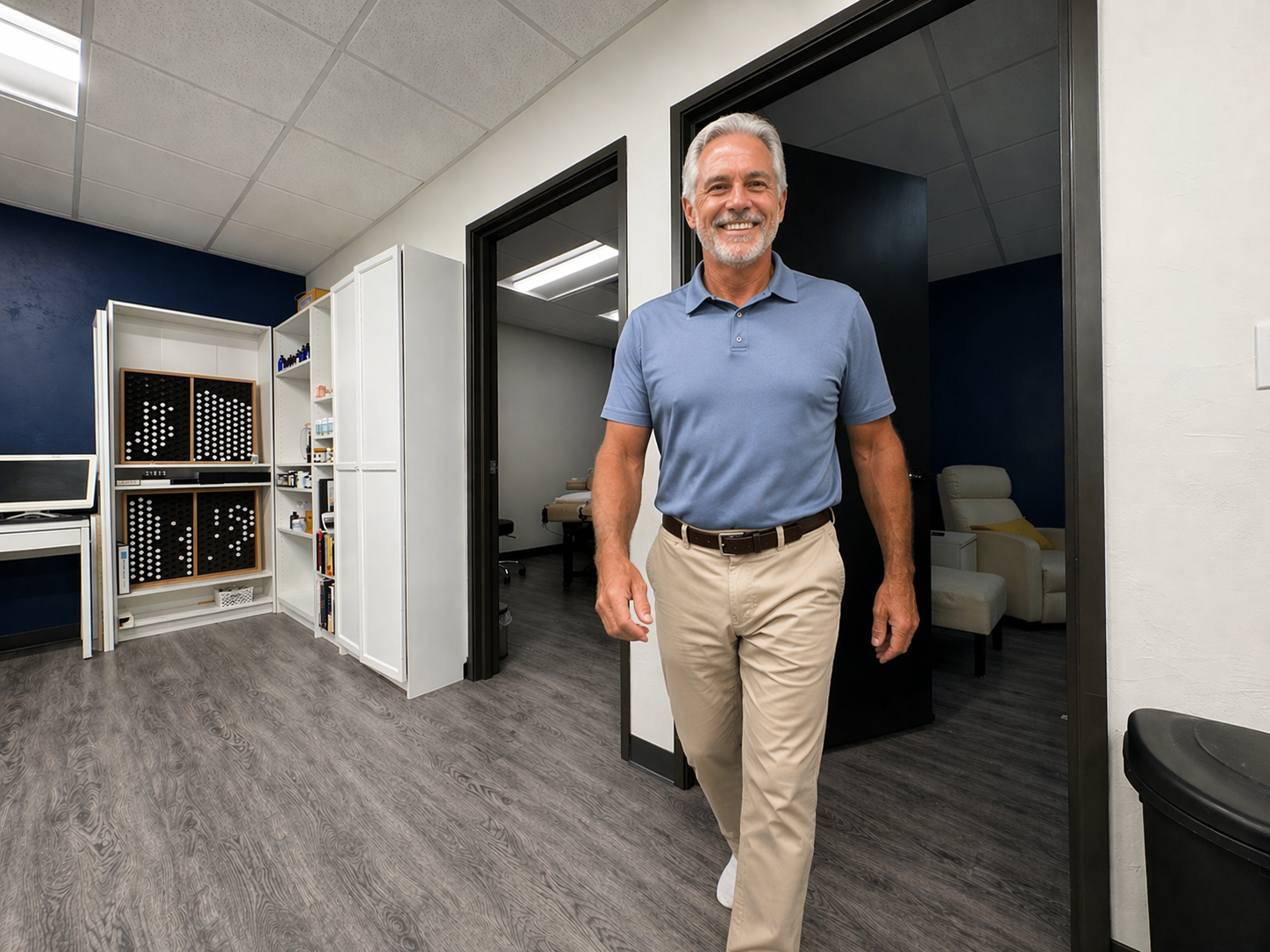
Not instead of oncology.
Alongside it.
Pam does not treat cancer. She treats what cancer treatment does to your body. Chemotherapy, radiation, and surgery save lives but come with side effects that can severely impact quality of life, energy, and the ability to stay on schedule with treatment.
Acupuncture and microcurrent therapy address those side effects directly. Research from institutions including Memorial Sloan Kettering Cancer Center and the National Institutes of Health supports acupuncture as an effective integrative therapy for patients undergoing cancer treatment.
Pam coordinates her care to complement your oncology team. She is not replacing your doctors. She is helping you stay strong enough to keep going.
Schedule a Free ConsultationChemotherapy side effects
acupuncture and FSM directly treat.
These are not vague wellness benefits. These are specific, documented outcomes supported by clinical research and endorsed by major cancer centers including Memorial Sloan Kettering.
Nausea & Vomiting
One of the most well-researched applications of acupuncture in oncology. Stimulation of specific points reduces chemo-induced nausea significantly, often within the first session.
Fatigue & Low Energy
Cancer-related fatigue affects up to 90% of patients during treatment. Acupuncture and FSM support cellular energy production and help restore functional capacity.
Chemo-Induced Neuropathy
Peripheral neuropathy from chemotherapy causes burning, numbness, and tingling in the hands and feet. FSM targets nerve tissue directly and has strong clinical support for this specific condition.
Pain Management
Pain from treatment, surgery, or the cancer itself. Acupuncture activates the body's natural pain-relieving pathways without adding to the pharmaceutical load already being managed.
Chemo Brain & Cognitive Fog
Cognitive difficulties during and after chemotherapy are common and disorienting. FSM and acupuncture support neurological function and help reduce the inflammatory burden driving chemo fog.
Anxiety & Emotional Distress
A cancer diagnosis and treatment process are profoundly stressful. Acupuncture regulates the nervous system and reduces cortisol, providing measurable relief from anxiety and emotional exhaustion.
Sleep Disruption
Insomnia is common during cancer treatment. Acupuncture addresses the nervous system dysregulation and hormonal disruption that drive sleep problems during chemotherapy.
Hot Flashes & Hormonal Shifts
Common after hormone-based cancer therapies. Acupuncture has strong research support for reducing hot flash frequency and severity in breast cancer patients.
Immune Support
Supporting immune function between treatment cycles. Ozone therapy and acupuncture help maintain immune resilience when chemotherapy suppresses the body's natural defenses.
Multiple tools applied
to one goal: you.
Pam uses the same comprehensive approach she brings to every case. The right combination of modalities for your specific situation, your treatment protocol, and where you are in the process.
Schedule a Free ConsultationElectroacupuncture
Targeted neurological and systemic support. Reduces nausea, fatigue, and pain while regulating the nervous system throughout treatment.
Microcurrent Therapy (FSM)
Directly addresses chemo-induced neuropathy, tissue damage, and cellular energy depletion. The 500% ATP increase from FSM is particularly valuable for patients with significant fatigue.
Red Light Therapy
Supports cellular healing, reduces inflammation, and promotes tissue repair. Particularly useful for patients dealing with mucositis, skin changes, or radiation-related tissue damage.
Herbal Medicine & Nutrition
Individually prescribed to support your system during treatment. Coordinated to avoid interactions with your oncology protocol.
Ozone Therapy
Immune modulation and antimicrobial support between treatment cycles. Ear and nasal insufflation to support respiratory health and reduce infection risk.
Research-backed.
Oncologist approved.
Integrative oncology is no longer fringe medicine. Major cancer centers including Memorial Sloan Kettering, MD Anderson, and Mayo Clinic now have dedicated integrative medicine departments that offer acupuncture as part of cancer care.
The National Institutes of Health recognizes acupuncture as an evidence-based intervention for chemotherapy-related nausea and pain. Pam stays current with the latest clinical research and adjusts her protocols accordingly.
Bring a list of your current medications and treatment schedule to your first visit. Pam will design a plan that works safely alongside everything your oncology team is doing.
What our patients say
Chemo was exhausting and terrifying. Pam's treatments eased the nausea when nothing else worked. I had the strength to feel human again. She truly understood what I was going through and never made me feel like I was just a patient.
You don't have to get through
treatment alone. Let us help.
Schedule a free consultation. Bring your treatment schedule and medication list. Pam will review your situation and design a support plan that works safely alongside your oncology care.
Schedule a Free Consultation